
21 Things You Notice After an Injury That No One Warns You About
21 things people notice after an injury that no one talks about. Learn the hidden recovery mistakes, unexpected symptoms, and real-life changes that can slow healing and lead to long-term issues.
4/10/20264 min read
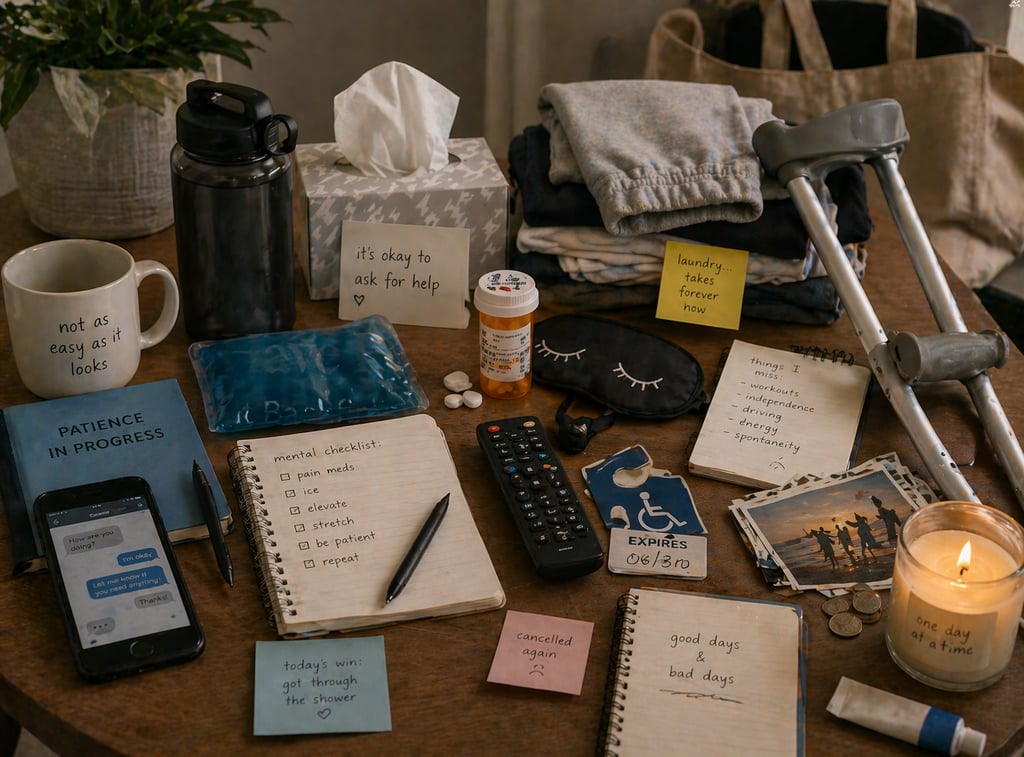

Most people think the hard part of an injury is the pain—but what actually slows recovery is everything that happens after. The small changes, the weird patterns, the things that don’t quite feel right but aren’t bad enough to panic about. Those are the details that quietly shape how well (or how poorly) you recover. Here’s what you’ll actually notice—and why understanding these early can help you avoid setbacks most people don’t see coming.
Early Physical Changes You Didn’t Expect
1. Pain that moves instead of disappearing
What it is: The discomfort shifts to a different area instead of going away completely.
Why it matters: This usually means your body is compensating. For example, a knee issue turning into hip pain doesn’t mean you’re improving—it means your movement pattern has changed. Track where pain goes, not just whether it fades.
2. Stiffness that shows up at random times
What it is: Tightness appears even when you haven’t used the injured area much.
What to do: Light, consistent movement helps more than staying still all day. Long inactivity makes tissues tighten, especially during recovery.
3. Strength loss happens faster than expected
What it is: Muscles weaken quickly, sometimes within days.
Why it matters: Strength loss leads to compensation. The longer you wait to safely re-engage muscles, the harder it becomes to return to normal movement.
4. Swelling that disappears—and then comes back
What it is: The injury looks better, then flares up again after activity.
What to do: Treat this as feedback. It usually means you’re pushing just past what your body can handle right now.
5. Reduced range of motion without clear pain
What it is: You can’t move fully, even if it doesn’t hurt.
Why it matters: Limited mobility often leads to poor movement mechanics, which increases the risk of reinjury or new problems.
Daily Life Disruptions That Catch You Off Guard
6. Simple tasks suddenly feel inefficient
What it is: Basic movements like walking, bending, or lifting feel awkward.
What to do: Adjust early. Trying to “push through normal” often creates new strain in other areas.
7. You get tired faster than usual
What it is: Energy drops more quickly, even with light activity.
Why it matters: Your body is working harder to compensate. Fatigue slows recovery and increases the chance of mistakes in movement.
8. Sleep becomes inconsistent
What it is: Pain or discomfort disrupts your ability to stay asleep.
What to do: Modify sleep positions and support your body properly. Poor sleep directly slows healing.
9. You avoid movements without realizing it
What it is: You subconsciously change how you move to avoid discomfort.
Why it matters: Avoidance leads to imbalance. Over time, this creates stress in areas that weren’t injured.
10. Your routine quietly changes
What it is: You stop doing certain activities, even small ones.
What to do: Be aware of what you’re avoiding. These small changes often affect recovery more than the injury itself.
Recovery Misconceptions That Slow You Down
11. Feeling better tricks you into thinking you’re healed
What it is: Pain fades, so you assume recovery is complete.
Why it matters: Healing takes longer than symptom relief. Returning too early is one of the most common reasons injuries linger.
12. Resting too much
What it is: Avoiding all movement longer than necessary.
What to do: Total rest is only helpful early. After that, controlled movement is what drives recovery forward.
13. Returning to activity too quickly
What it is: Jumping back into your normal routine at full intensity.
Why it matters: This often resets progress. Gradual return is slower upfront but faster overall.
14. Assuming every injury heals the same way
What it is: Treating everything like a simple strain or minor issue.
What to do: Recovery timelines vary widely. Pay attention to your body instead of copying generic advice.
15. Using pain as your only guide
What it is: If it doesn’t hurt, you assume it’s safe.
Why it matters: Some dysfunctions don’t cause immediate pain but still affect movement and long-term recovery.
Long-Term Changes People Don’t Talk About
16. Other body parts start doing extra work
What it is: Muscles around the injury take over.
Why it matters: Compensation can lead to secondary injuries, sometimes worse than the original issue.
17. You hesitate even after recovery
What it is: Fear of re-injury changes how you move.
What to do: Gradual exposure to movement helps rebuild confidence without risking setbacks.
18. The area never feels exactly the same
What it is: Lingering tightness or sensitivity.
Why it matters: Recovery doesn’t always mean “back to normal”—maintenance becomes part of staying active.
19. Performance drops more than expected
What it is: You’re slower, weaker, or less stable.
What to do: Focus on rebuilding gradually. Expecting immediate return to peak performance leads to frustration.
20. Flare-ups keep coming back
What it is: The same issue reappears under certain conditions.
Why it matters: This usually signals that the root cause hasn’t been fully addressed.
When It’s Time to Look Deeper
21. You stop improving—but nothing feels worse
What it is: Progress plateaus without a clear reason.
What to do: This is where most people realize recovery isn’t as straightforward as they expected. At this stage, many begin looking into more structured evaluation—especially in areas like sports medicine, where movement patterns and underlying issues are assessed more thoroughly. The goal isn’t just symptom relief—it’s understanding why progress stalled.
Quick Wins You Can Apply Right Away
Pay attention to patterns, not just pain
Don’t rush back into full activity
Avoid complete inactivity for too long
Watch for compensation in other areas
Treat recurring symptoms as signals, not coincidences
Frequently Asked Questions
How do I know if I’m actually healing or just feeling better?
Look at movement, strength, and consistency—not just pain levels. If function is improving without new symptoms, that’s a better indicator of recovery.
Is it normal for symptoms to come and go?
Yes, but patterns matter. If symptoms return after specific activities, something is still being stressed too early or incorrectly.
Should I completely rest an injury?
Only at the beginning. After that, controlled movement usually helps recovery more than full rest.
When should I take an injury more seriously?
If progress stalls, symptoms move, or the issue keeps returning, it’s time to look deeper instead of waiting it out.
Closing
Injuries rarely come with clear instructions.
What slows most people down isn’t just the injury—it’s misunderstanding everything that follows.
If you recognize these patterns early, adjust how you respond, and avoid the common traps most people fall into, recovery becomes more predictable—and a lot less frustrating.
Good info, in one place—so you can move forward.
Contact
Questions? Reach out anytime.
Phone
hello@21goodinfo.com
© 2025. All rights reserved.