
21 Things to Do Before a New Baby Arrives (Checklist for Home + Paperwork)
Home & Family
1/20/20256 min read
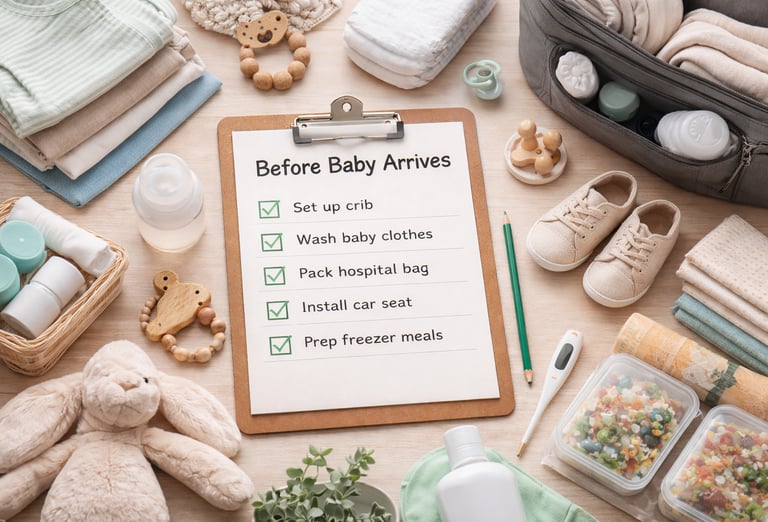
No matter how prepared you think you are, welcoming a new baby has a way of humbling everyone. Even experienced parents will tell you that each baby brings a different rhythm, new challenges, and unexpected lessons. Preparation doesn’t mean you’ll have everything figured out. It simply means you’ve made space for yourself to adjust when life changes overnight.
The goal before a baby arrives isn’t perfection. It’s reducing avoidable stress. It’s handling the things that are easier to do now, while you still have time, energy, and mental clarity. What follows isn’t a shopping list or a rigid plan. It’s guidance shaped by experience. These are the things parents often say made the biggest difference once the baby was finally home.
1. Decide Where the Baby Will Sleep First
Many parents focus heavily on setting up a nursery, only to realize later that their baby spends most of the early weeks sleeping close to them. Deciding where your baby will sleep at first is more practical than finishing a picture-perfect room.
Whether you choose a bassinet, crib, or co-sleeper, set it up early and try using the space at night. Walk around it in low light. Make sure you can reach everything safely and comfortably. These small checks become invaluable when you’re exhausted and half asleep.
2. Make Nights Easier on Yourself
Nighttime care is where preparation pays off the most. Simple things like soft lighting, a comfortable chair, and easy access to baby supplies can change the entire experience.
Experienced parents learn quickly that small frustrations feel bigger when you’re tired. Planning your night setup ahead of time helps reduce stress and keeps nights more manageable.
3. Prepare Clothes for the First Two Weeks Only
It’s tempting to wash and organize every baby outfit you own, but most parents end up reaching for the same few items repeatedly. Focus on practicality instead of quantity.
Prepare a small selection of comfortable, easy-to-change clothes in newborn and 0–3 month sizes. You can always wash and rotate more later once you know what works best for your baby.
4. Create One Central “Everything Spot”
Instead of spreading baby supplies across multiple rooms, create one central spot where essentials live. This could be a basket, drawer, or rolling cart.
When you’re tired, convenience matters more than organization. Having everything within arm’s reach saves time and energy during busy moments.
5. Think About Feeding in Real Life Terms
Feeding plans often change once the baby arrives, and that’s completely normal. Rather than focusing on how feeding should look, think about how to make it easier on yourself.
Have water, snacks, and a comfortable place to sit ready. Feeding sessions can be long, especially in the beginning, and your comfort matters.
6. Prepare Food for Yourself Ahead of Time
One of the most common regrets parents share is not planning meals for themselves. Cooking becomes much harder when you’re caring for a newborn.
Preparing freezer meals, stocking easy food options, or arranging meal support ensures you stay nourished during recovery. This is one of the most helpful forms of preparation.
7. Simplify Your Living Space
You don’t need a deep clean, but simplifying your environment helps. Clear clutter from the areas you use most, such as the bedroom, bathroom, and kitchen.
A calmer space feels easier to manage when everything else feels unfamiliar and overwhelming.
8. Gather Important Documents in One Place
Paperwork is much easier to handle before the baby arrives. Collect identification, insurance cards, medical records, and hospital paperwork into one folder.
Knowing where everything is saves time and mental energy later, especially when appointments and forms start adding up.
9. Review Health Insurance Coverage Carefully
Insurance details are easy to overlook, but they matter. Review what is covered, what paperwork is required, and when your baby needs to be added to your policy.
Many parents wish they had clarified this before leaving the hospital.
10. Complete Hospital or Birth Center Pre-Registration
If pre-registration is available, do it early. This reduces paperwork during labor and check-in and allows you to focus on the experience instead of administrative details.
It’s a small task that makes a big difference in the moment.
11. Pack Your Hospital Bag Earlier Than You Expect
Labor doesn’t always follow a schedule. Packing your hospital bag early removes one more thing to worry about.
Focus on comfort over overpacking. Simple, familiar items are often more useful than extras.
12. Choose a Pediatrician or Newborn Care Provider
Selecting a pediatrician ahead of time gives you peace of mind once the baby arrives. Knowing who to call if you have concerns during those first days is reassuring.
Even if an appointment isn’t needed right away, having a provider chosen reduces decision fatigue.
13. Learn the Basics Without Overloading Yourself
You don’t need to know everything before your baby arrives. Focus on essentials like safe sleep, feeding cues, diapering, and soothing.
Experience will teach you the rest. A little knowledge builds confidence without overwhelming you.
14. Decide How You Want to Handle Visitors
Visitors can be helpful or exhausting, depending on timing and expectations. Decide in advance what feels right for you and your family.
Setting boundaries early protects your recovery and bonding time.
15. Plan for Support, Even If You’re Used to Managing Alone
Even the most independent parents benefit from extra help after a baby arrives. Support might include meals, errands, or help with older children.
Accepting help allows you to focus on healing and bonding.
16. Confirm Work Leave and Schedule Details
Clarify leave dates, return-to-work expectations, and any flexibility available. Knowing what to expect reduces anxiety and helps you plan realistically.
Clear communication now prevents confusion later.
17. Prepare for Your Own Postpartum Recovery
Your recovery deserves just as much attention as baby preparation. Have comfortable clothing, personal care items, and anything recommended by your healthcare provider ready.
Taking care of yourself helps you care for your baby more effectively.
18. Reduce Future To-Do Lists
Automate bills, pause nonessential commitments, and simplify routines where possible. These small steps remove pressure during the newborn phase.
Think of this as helping your future self.
19. Learn the Birth Registration Process
Birth registration requirements vary by location. Knowing where to go, what documents are needed, and the timeline prevents delays later.
This is one task that’s much easier to handle ahead of time.
20. Think Through the First Days at Home
The first days at home are about adjustment, not productivity. Plan for rest, feeding, and bonding rather than tasks.
Lowering expectations makes the transition gentler.
21. Trust That You Will Figure It Out
No one feels completely ready. That doesn’t mean you’re unprepared. Parenting is learned through experience.
Trust yourself. You’ll adapt as you go.
Preparing for a new baby isn’t about checking off every possible task. It’s about creating a little breathing room before life changes in a big way. Some things will still feel unfinished, and that’s okay. What matters is covering the basics and giving yourself permission to adjust as you go.
The checklist below isn’t meant to repeat everything you’ve already read. Think of it as a practical, last-pass reference in the weeks leading up to your baby’s arrival.
Quick Checklist: Before the Baby Arrives
Use this checklist as a practical, last-pass reference in the weeks leading up to your baby’s arrival. You don’t need everything done perfectly. This list is here to help you cover the basics.
Home & Baby Setup
☐ Safe sleep space assembled (crib, bassinet, or co-sleeper)
☐ Mattress fitted with a firm sheet only
☐ Baby clothes washed and sorted by size
☐ Diapers and wipes stocked and accessible
☐ Diaper changing area set up
☐ Burp cloths and basic toiletries ready
☐ Feeding supplies washed and within reach
☐ Baby care caddy prepared for easy access
Food & Daily Life
☐ Freezer meals or easy food options prepared
☐ Groceries stocked for the first few days home
☐ Water bottle and snacks ready for feeding times
☐ Household essentials restocked
Hospital & Health
☐ Hospital or birth center pre-registration completed
☐ Hospital bag packed
☐ Pediatrician or newborn care provider chosen
☐ Newborn appointment scheduled if required
Paperwork & Finances
☐ IDs, insurance cards, and medical documents gathered
☐ Health insurance coverage reviewed
☐ Plan to add baby to insurance confirmed
☐ Birth registration process understood
☐ Bills automated or scheduled
Support & Planning
☐ Childcare plan arranged for older children (if applicable)
☐ Work leave dates confirmed
☐ Visitor expectations discussed and set
☐ Postpartum recovery supplies ready
Mindset
☐ Expectations adjusted for flexibility
☐ Permission given to rest and ask for help
FAQ
When should I start preparing for a new baby?
Many parents begin during the second trimester, but preparation can happen at any pace. Focus on essentials first and build gradually.
What should I prioritize if time is limited?
Sleep setup, paperwork, feeding basics, and recovery supplies are the most important starting points.
Do I need to buy everything before the baby arrives?
No. Babies need far less than most people expect. Essentials are enough for the first few weeks.
How do I prepare emotionally for a new baby?
Adjust expectations and allow flexibility. Confidence grows with experience, not perfection.
Is it normal to feel unprepared even after planning?
Yes. Almost every parent feels this way. Planning helps, but learning happens day by day.
Contact
Questions? Reach out anytime.
Phone
hello@21goodinfo.com
© 2025. All rights reserved.