
21 Things People Regret Not Doing After an Injury
Learn the 21 biggest mistakes people regret after an injury, from delayed medical care and poor documentation to financial and legal oversights that can make recovery harder.
4/27/20265 min read
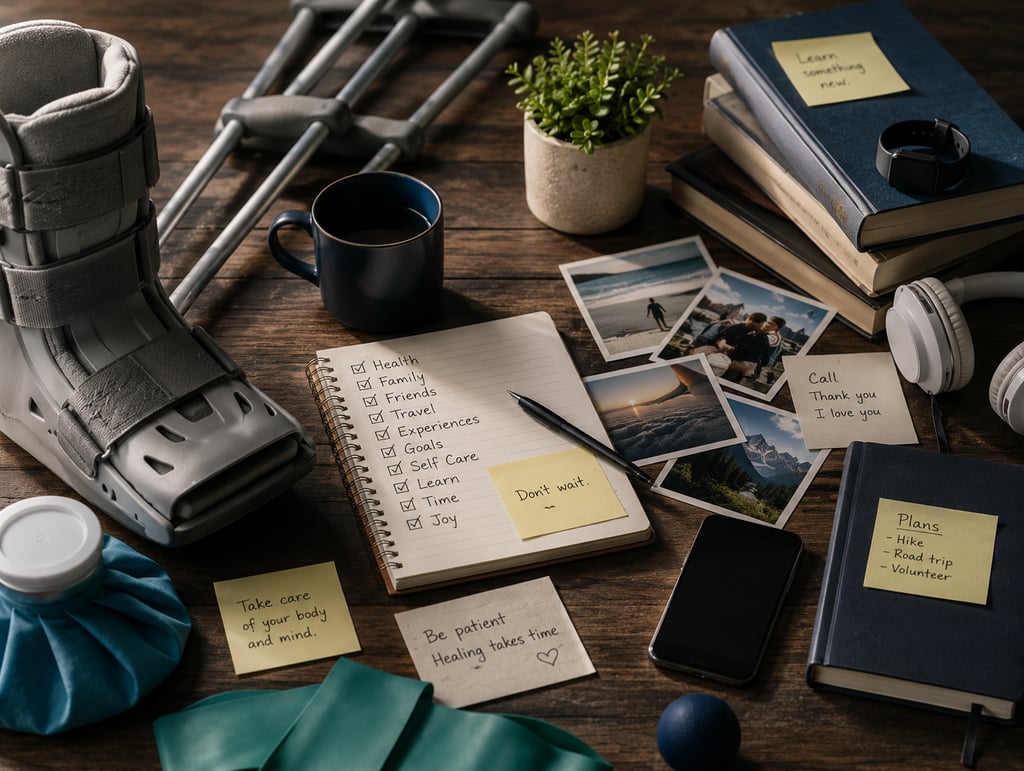
A serious injury can cost far more than the first hospital bill. Lost wages, follow-up care, insurance headaches, missed documentation, and bad early decisions can create financial and legal problems that last much longer than the injury itself. Here are 21 things people commonly regret not doing sooner, and what you should do instead.
Immediate First Moves
1. Check Yourself Properly Before Saying You’re Fine
What it is: Assuming you escaped serious injury because you can still stand, walk, or talk normally.
Why it matters: Adrenaline is incredibly misleading. Right after an accident, your body can temporarily mask pain, stiffness, dizziness, or even more serious symptoms. That “I think I’m okay” moment is one of the most common reasons people delay treatment.
This matters because delayed recognition creates delayed action.
Common injuries that don’t always show up immediately:
whiplash
soft tissue strain
mild concussion
back injuries
internal trauma
joint damage
Before declaring yourself fine, slow down and assess honestly.
2. Get Medical Care Earlier Instead of “Waiting to See”
What it is: Delaying evaluation because the pain seems manageable.
Why it matters: This is one of the most expensive regrets people have.
Pain often gets worse after inflammation builds. Symptoms that seem minor in the first hour can become significantly worse over the next day or two.
Early medical care helps with:
diagnosis
treatment planning
documentation
identifying hidden injuries
preventing avoidable complications
“Waiting to see” sometimes turns a manageable recovery into a longer one.
3. Gather Information While the Details Are Fresh
What it is: Leaving the scene or situation without collecting basic information.
Why it matters: Stress destroys memory accuracy.
Even intelligent, calm people forget details after traumatic events.
Capture:
names
contact details
witness names
vehicle details (if applicable)
incident location
timestamps
company details (if commercial property or workplace involved)
You’ll never regret having too much information.
People often regret having too little.
4. Take Photos Before Things Change
What it is: Assuming documentation can happen later.
Why it matters: Accident scenes don’t stay frozen.
Cars get moved.
Hazards get cleaned.
Warning signs disappear.
Spills get removed.
Weather changes.
Bruising evolves.
Photograph:
injuries
surroundings
equipment
property damage
weather conditions
flooring hazards
stairs
signage
road conditions
Photos answer arguments later.
Memory doesn’t.
5. Avoid Talking Too Much in the Immediate Chaos
What it is: Saying things you haven’t actually confirmed.
Why it matters: Stress makes people talk carelessly.
Common examples:
“I’m okay.”
“It was probably my fault.”
“I didn’t see that.”
“Maybe I slipped.”
The problem?
You may be guessing.
Stick to confirmed facts.
Not assumptions.
Medical Recovery Mistakes
6. Follow Through on Recommended Treatment
What it is: Starting treatment, then stopping early because you feel somewhat better.
Why it matters: Partial recovery creates bigger problems.
People often stop because:
life gets busy
appointments feel inconvenient
pain improves temporarily
costs feel frustrating
But incomplete treatment can:
delay healing
worsen chronic pain
complicate documentation
create inconsistent medical records
Stopping early is one of those things that feels practical short term and expensive long term.
7. Keep Medical Records Organized From Day One
What it is: Letting paperwork pile up randomly.
Why it matters: Medical admin chaos creates stress fast.
Track:
diagnosis paperwork
prescriptions
referrals
invoices
imaging reports
treatment summaries
appointment dates
This is not just about organization.
It saves time, reduces confusion, and helps you make better decisions later.
A folder today saves headaches later.
8. Track Symptoms in Real Time
What it is: Assuming you’ll remember what recovery felt like.
Why it matters: You won’t remember clearly.
Pain changes.
Sleep changes.
Mobility changes.
Energy changes.
A recovery journal helps capture:
pain levels
headaches
stiffness
missed activities
work limitations
emotional symptoms
medication effects
Specific records are more useful than vague memories.
9. Be Honest About Pain Instead of Trying to “Push Through”
What it is: Minimizing symptoms because you don’t want to seem dramatic.
Why it matters: Doctors can only document what you actually report.
People often understate symptoms because they:
hate complaining
want to look tough
assume pain is normal
think symptoms will fade
That creates incomplete records.
Accurate does not mean exaggerated.
It means truthful.
10. Don’t Assume Minor Symptoms Stay Minor
What it is: Treating early discomfort as insignificant.
Why it matters: Some injuries evolve.
Especially:
back strain
neck injuries
concussion symptoms
joint inflammation
nerve irritation
Mild discomfort today doesn’t guarantee mild impact tomorrow.
Progression matters.
Documentation and Communication Errors
11. Save Every Expense Instead of Only the Big Ones
What it is: Tracking hospital bills but forgetting smaller costs.
Why it matters: Small costs add up fast.
Examples:
parking
prescriptions
rideshare
gas
childcare
over-the-counter supplies
medical equipment
therapy visits
A few $20–$100 expenses become real totals quickly.
Track everything.
12. Document Lost Work Properly
What it is: Estimating missed income loosely.
Why it matters: Work disruption often costs more than expected.
Track:
missed shifts
reduced hours
PTO usage
commission loss
freelance cancellations
productivity impact
People often remember the injury.
They forget the financial ripple.
13. Be Careful With Recorded Statements
What it is: Speaking casually before understanding the situation.
Why it matters: Early conversations often contain inaccurate assumptions.
That’s normal.
People speak before:
diagnosis
pain progression
documentation review
full memory clarity
Stick to facts.
Avoid guessing.
14. Keep a Communication Log
What it is: Relying on memory for calls and conversations.
Why it matters: This gets messy fast.
Track:
who called
when
what was discussed
promises made
requested documents
deadlines mentioned
This takes five minutes.
It prevents hours of confusion later.
15. Stay Off Social Media With Recovery Updates
What it is: Posting casual life moments without context.
Why it matters: Context disappears online.
A smiling dinner photo says nothing about:
medication
pain levels
limitations
recovery effort
People regret this constantly.
Skip it.
Financial and Legal Oversights
16. Understand Your Options Before Pressure Builds
What it is: Waiting until stress forces rushed decisions.
Why it matters: People make worse decisions under pressure.
Understanding timelines, documentation expectations, and whether speaking with a personal injury lawyer makes sense helps people avoid reactive choices later.
This is not about assuming legal action.
It’s about understanding the landscape.
17. Read Every Document Before Signing
What it is: Signing while stressed or distracted.
Why it matters: Stress reduces attention.
Documents matter.
Especially:
releases
settlement paperwork
insurance acknowledgments
reimbursement forms
Never assume “it’s probably standard.”
Read first.
18. Don’t Accept Fast Money Without Understanding the Full Picture
What it is: Taking quick settlement offers before knowing actual impact.
Why it matters: Recovery costs unfold over time.
Fast offers can feel emotionally appealing because uncertainty is exhausting.
But uncertainty is exactly why rushing can backfire.
Know what recovery actually looks like first.
19. Factor Emotional Recovery Into Decision-Making
What it is: Treating recovery as purely physical.
Why it matters: Injury stress affects:
sleep
anxiety
concentration
mood
confidence
routines
This is normal.
Ignoring it doesn’t make it disappear.
Long-Term Mistakes People Regret
20. Returning to Normal Too Aggressively
What it is: Acting like recovery should happen faster than it realistically will.
Why it matters: Financial pressure is real.
Life pressure is real.
But overdoing activity too early can delay healing.
The short-term urge to “just get back to normal” sometimes creates longer recovery.
21. Assuming Time Automatically Fixes Everything
What it is: Passive waiting without reassessment.
Why it matters: Some issues improve naturally.
Some don’t.
Pain that lingers deserves attention.
Mobility loss deserves attention.
Persistent symptoms deserve attention.
Hope is not a strategy.
Quick Post-Injury Checklist
☐ Get medically evaluated
☐ Photograph everything relevant
☐ Collect names and contact details
☐ Save every receipt
☐ Track symptoms daily
☐ Log missed work
☐ Avoid casual social media posting
☐ Read before signing
☐ Keep communication notes
☐ Reassess if symptoms worsen
FAQs
How soon should you get checked after an injury?
As soon as reasonably possible. Waiting creates both health and documentation problems.
What if symptoms show up later?
That happens often. Adrenaline masks pain. Delayed symptoms still deserve evaluation.
Should you talk to insurance immediately?
Basic factual communication is one thing. Guessing, speculating, or speaking too casually is another.
Do small injuries really need documentation?
Yes. Small symptoms sometimes become larger issues.
Contact
Questions? Reach out anytime.
Phone
hello@21goodinfo.com
© 2025. All rights reserved.