
21 Mistakes That Slow Down Invoicing (And How to Get Paid Faster)
Work & Small Business Ops
7/7/20255 min read
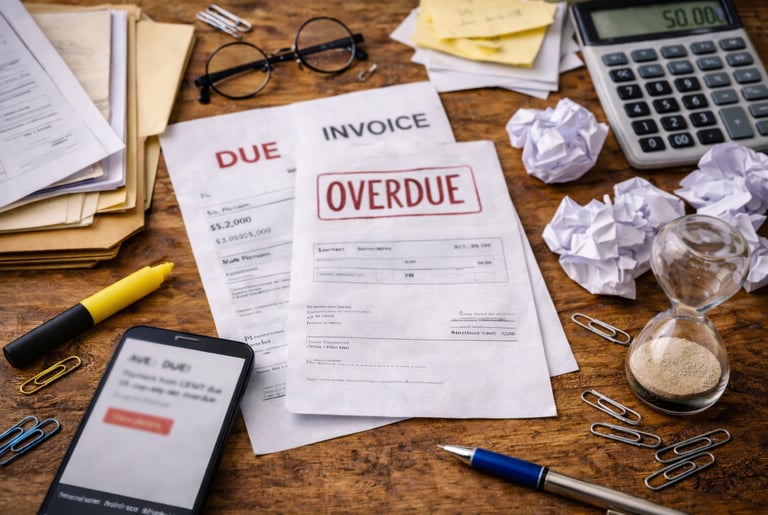
If getting paid sometimes feels harder than doing the actual work, you’re not imagining it. Invoicing delays are one of the most common problems freelancers, contractors, and small service businesses face — even when clients are happy with the work.
Most slow payments aren’t about clients trying to avoid paying. They’re usually caused by small, easy-to-miss invoicing mistakes that create friction, confusion, or unnecessary delays. In today’s world, where people expect things to be clear, digital, and fast, even minor issues can push your invoice to the bottom of someone’s to-do list.
The good news is that getting paid faster doesn’t usually require changing your prices or chasing clients aggressively. It comes down to tightening up your invoicing process so it matches how people actually work and pay today.
This guide breaks down 21 common invoicing mistakes that slow down payments — and shows you what to do instead, in plain language, with real-world examples.
Invoice Setup & Clarity Issues
1. Sending Invoices Without Clear Payment Terms
One of the biggest invoicing mistakes is assuming clients know when payment is due. If an invoice doesn’t clearly state a due date, clients often default to their own internal timelines — which may be much longer than you expect.
Terms like “Net 30” are often misunderstood or ignored, especially by smaller clients or non-finance teams.
What to do instead:
Spell it out clearly. Use simple language like “Payment due within 14 days” or “Due upon receipt.” The clearer it is, the fewer excuses there are for delays.
2. Using Missing or Confusing Invoice Numbers
Invoice numbers aren’t just for you. Many clients rely on invoice numbers to track, approve, and pay bills.
Invoices without numbers or with inconsistent numbering are easier to lose, misfile, or overlook.
What to do instead:
Use simple, sequential invoice numbers and keep them consistent across all invoices.
3. Leaving Out Important Business Information
Invoices that don’t include complete business details can raise questions or trigger compliance checks on the client’s side.
If someone internally needs clarification, payment often pauses until details are confirmed.
What to do instead:
Include your business name, contact information, and any required registration or tax details on every invoice.
4. Writing Vague or Generic Line Descriptions
Descriptions like “services rendered” don’t help clients understand what they’re paying for, especially if invoices need approval from someone who wasn’t involved in the project.
Vagueness creates unnecessary back-and-forth.
What to do instead:
Be specific. Reference the service, project, or time period clearly so the invoice makes sense at a glance.
5. Sending Invoices That Are Hard to Read
Cluttered layouts, inconsistent formatting, or dense blocks of text slow things down. If an invoice feels confusing or overwhelming, it’s more likely to be set aside.
What to do instead:
Keep invoices clean, well-spaced, and easy to scan. Clear sections help people process them quickly.
Timing & Process Mistakes
6. Waiting Too Long to Send the Invoice
Delaying invoicing sends an unintended message that payment isn’t urgent. The longer you wait, the less connected the invoice feels to the work completed.
Clients are more responsive when the work is still fresh in their mind.
What to do instead:
Send invoices immediately after completing work or hitting an agreed milestone.
7. Sending Invoices at Inconvenient Times
Invoices sent late at night, on weekends, or during holidays can easily get buried.
They may miss approval windows or sit unread until the next workweek.
What to do instead:
Send invoices during normal business hours, ideally early in the week.
8. Inconsistent Invoicing Schedules
When invoices arrive at random times, clients don’t build a habit around paying them. Inconsistency creates uncertainty.
What to do instead:
Invoice on a predictable schedule whenever possible — weekly, biweekly, or monthly.
9. Sending Invoices to the Wrong Person
If invoices go to the wrong inbox, payment delays are almost guaranteed. Many companies have specific billing contacts or approval workflows.
What to do instead:
Confirm who should receive invoices before sending them and update that information when needed.
Payment Method Barriers
10. Offering Too Few Payment Options
If paying you requires extra steps, printing forms, or manual processes, clients may delay simply because it’s inconvenient.
What to do instead:
Offer multiple payment options when possible so clients can choose what’s easiest for them.
11. Requiring Manual or Outdated Payment Steps
Invoices that require checks, bank visits, or complicated instructions slow things down in a digital-first world.
What to do instead:
Use digital invoices with clear, clickable payment options whenever possible.
12. Forgetting to Include Payment Instructions
Clients shouldn’t have to email you to ask how to pay.
Missing instructions lead to delays that could have been avoided.
What to do instead:
Include clear payment instructions directly on the invoice.
Communication & Follow-Up Gaps
13. Avoiding Follow-Ups Because It Feels Awkward
Many people hesitate to follow up on unpaid invoices because they don’t want to seem pushy or uncomfortable.
In reality, polite follow-ups are a normal part of doing business.
What to do instead:
Send friendly, professional reminders shortly after the due date passes.
14. Waiting Too Long to Follow Up
The longer an invoice goes unpaid, the easier it is for it to be forgotten or deprioritized.
What to do instead:
Follow up promptly and consistently so deadlines feel real.
15. Not Tracking Invoice Communication
Without records, it’s harder to reference past conversations or resolve disputes.
What to do instead:
Keep invoice emails and follow-ups organized in one place.
Contract & Expectation Issues
16. Not Discussing Payment Expectations Upfront
If payment expectations aren’t discussed before work starts, clients may assume longer timelines or different terms.
What to do instead:
Set payment expectations clearly before beginning any work.
17. Having No Late Payment Policy
Without a late payment policy, there’s little incentive to pay on time.
Even if you rarely enforce it, its presence sets expectations.
What to do instead:
Include a late payment policy in your contract or invoice terms.
18. Skipping Deposits or Milestone Payments
Waiting until the end of a project to get paid increases risk, especially for longer engagements.
What to do instead:
Request deposits or milestone payments to keep cash flow steady.
Administrative & Tracking Mistakes
19. Losing Track of Outstanding Invoices
If you don’t actively track invoices, overdue payments slip through the cracks.
What to do instead:
Maintain a simple list of unpaid invoices and follow up regularly.
20. Never Reviewing Invoicing Patterns
Without reviewing patterns, you may not realize which clients consistently pay late or which terms cause issues.
What to do instead:
Review invoicing monthly and adjust your process as needed.
21. Treating Invoicing as an Afterthought
Invoicing isn’t just paperwork — it’s how you get paid. When it’s rushed or inconsistent, payments slow down.
What to do instead:
Treat invoicing as a core business system, not an afterthought.
Quick Checklist: How to Get Paid Faster
Use clear payment terms
Send invoices promptly
Keep invoices clean and readable
Confirm billing contacts
Offer easy payment options
Follow up professionally
Track unpaid invoices
FAQ
Why do invoices get paid late even by good clients?
Usually due to unclear terms, internal approval processes, or simple oversight.
Is it okay to follow up on unpaid invoices?
Yes. Professional follow-ups are expected and normal.
Should I charge late fees?
Late fees can encourage timely payment, even if rarely enforced.
How often should invoices be sent?
Immediately after work is completed or at agreed milestones.
Contact
Questions? Reach out anytime.
Phone
hello@21goodinfo.com
© 2025. All rights reserved.