
21 Home Repairs You Should Not DIY (And What to Hire Out Instead)
Home & Repairs
5/19/20255 min read
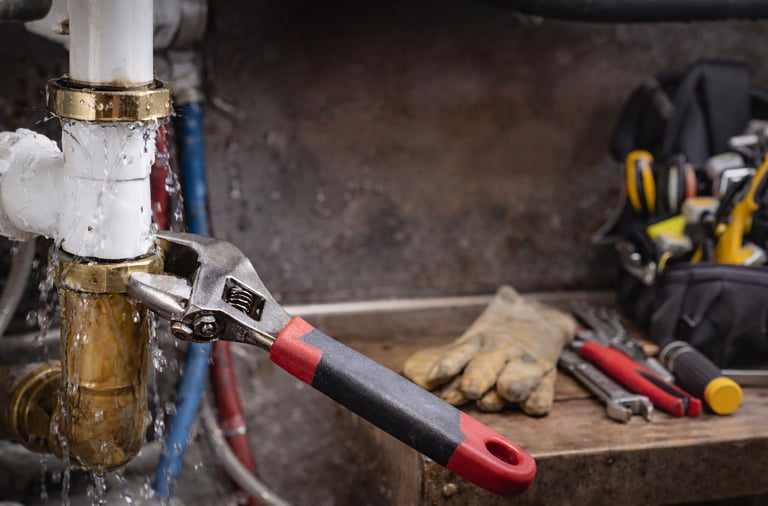
DIY projects can be incredibly satisfying. There’s something rewarding about fixing a small problem yourself, saving money, and learning how your home works. Painting walls, replacing cabinet hardware, or fixing a loose hinge are great examples of DIY done right.
But not every home repair falls into that category.
Some repairs look simple on the surface but involve systems that are hidden behind walls, under floors, or tied to safety codes most homeowners never see. In those cases, doing it yourself doesn’t just risk a bad result — it can create safety hazards, insurance issues, or damage that doesn’t show up until months later.
This guide walks through 21 common home repairs that are usually better handled by professionals. The goal isn’t to scare you away from DIY. It’s to help you recognize when stepping back is the smarter, safer move — and when trying to save money upfront could cost more in the long run.
Electrical & Power Systems
1. Electrical Panel Work
Your electrical panel is the heart of your home’s power system. Every circuit, outlet, and appliance ultimately connects back to it. Opening the panel without proper training can expose you to live electricity, even if you think the power is off.
Beyond personal safety, panel work involves load balancing, breaker compatibility, grounding, and local electrical codes. A small mistake can lead to overloaded circuits, power outages, or fire risks that may not be obvious right away.
This is one of those areas where “it looks simple” often hides serious complexity.
Who to hire instead: A licensed electrician who understands current codes and safety requirements.
2. Rewiring a Room or an Entire Home
Rewiring is not just about replacing old wires. It involves understanding how much power each circuit can safely handle, how wires are routed, and how everything is grounded.
Improper wiring may work at first, but it can create overheating behind walls or ceilings. These issues often don’t show up until years later, sometimes as electrical fires.
Older homes are especially risky, as outdated wiring may not be compatible with modern electrical demands.
Who to hire instead: A licensed electrician with experience in residential rewiring.
3. Installing New Circuits or Outlets
Adding outlets or circuits seems straightforward until you realize your existing system may already be near capacity. Without proper calculations, you can overload the panel or create unsafe wiring conditions.
Code requirements also dictate placement, spacing, and safety features like GFCI protection in certain areas.
Who to hire instead: An electrician who can assess capacity and ensure safe installation.
4. Outdoor Electrical Installations
Outdoor electrical work adds another layer of complexity. Weather exposure, moisture, and grounding requirements all come into play.
Improper outdoor wiring can lead to shocks, short circuits, or damaged equipment. Even small mistakes become bigger problems when rain or humidity is involved.
Who to hire instead: An electrician familiar with outdoor-rated materials and installations.
Plumbing & Water Systems
5. Major Plumbing Repairs
Fixing a dripping faucet is one thing. Rerouting pipes, replacing sections inside walls, or altering plumbing layouts is another.
Water damage is one of the most expensive home issues to repair, and leaks behind walls often go unnoticed until significant damage has occurred. Mold, rot, and structural issues can follow.
Who to hire instead: A licensed plumber who can test connections and ensure proper flow and pressure.
6. Sewer Line Repairs or Replacements
Sewer problems are rarely simple. Diagnosing the issue often requires cameras and specialized tools. Repairs may involve excavation, permits, and coordination with local utilities.
DIY attempts here often worsen the problem and increase repair costs.
Who to hire instead: A licensed plumbing or sewer specialist with proper equipment.
7. Water Heater Installation or Replacement
Water heaters involve plumbing connections, pressure relief systems, and either electrical or gas components. Incorrect installation can result in leaks, inefficient heating, or serious safety hazards.
Modern water heaters also have specific code requirements that must be met.
Who to hire instead: A licensed plumber or HVAC professional experienced with water heaters.
8. Gas Line Work
Gas lines are never a DIY project. Even a small mistake can lead to leaks, fire hazards, or carbon monoxide exposure.
Gas work also requires testing and certification that homeowners typically cannot perform.
Who to hire instead: A licensed gas plumber or utility-approved professional.
Structural & Foundation Work
9. Foundation Repairs
Cracks in foundations can indicate a range of issues, from minor settling to serious structural movement. Without proper evaluation, it’s easy to misjudge the severity.
Incorrect repairs may temporarily hide the problem without addressing the root cause.
Who to hire instead: A foundation specialist or structural engineer.
10. Removing Load-Bearing Walls
Not all walls are cosmetic. Load-bearing walls support floors, ceilings, or roofs. Removing one without proper support can compromise the entire structure.
Determining whether a wall is load-bearing requires knowledge of framing and structural design.
Who to hire instead: A structural engineer and licensed contractor.
11. Major Structural Framing Repairs
Framing supports the skeleton of your home. Mistakes here can affect safety, stability, and resale value.
Structural issues often require permits and inspections.
Who to hire instead: A licensed contractor with structural experience.
Roofing & Exterior Work
12. Roof Replacement or Structural Roof Repairs
Roofing work is physically dangerous and technically demanding. Falls are a major risk, even for experienced workers.
Improper installation can void warranties, cause leaks, and shorten roof lifespan.
Who to hire instead: A licensed roofing contractor.
13. Chimney Repairs
Chimneys involve fire safety, ventilation, and structural stability. Cracks or liner issues can lead to dangerous conditions.
DIY repairs often fail to address internal problems.
Who to hire instead: A certified chimney professional.
14. Siding Installation or Replacement
Siding protects your home from moisture and weather. Improper installation can trap water behind walls, leading to rot and mold.
Siding systems are designed to work together in specific ways.
Who to hire instead: A siding contractor familiar with the specific material.
15. Window Structural Modifications
Replacing windows that require framing changes affects insulation, moisture control, and structural integrity.
Improper installation leads to drafts, leaks, and long-term damage.
Who to hire instead: A licensed contractor or window specialist.
HVAC & Mechanical Systems
16. HVAC System Installation or Replacement
Heating and cooling systems must be properly sized and installed. Oversized or undersized systems waste energy and wear out faster.
Installation also involves electrical, ventilation, and sometimes gas work.
Who to hire instead: A licensed HVAC professional.
17. Major HVAC Repairs
Issues involving compressors, refrigerant, or internal system components require specialized tools and certification.
DIY repairs often void warranties and fail to address underlying problems.
Who to hire instead: A licensed HVAC technician.
Environmental & Safety-Sensitive Repairs
18. Asbestos or Lead Removal
Older homes may contain asbestos or lead-based materials. Disturbing them releases harmful particles into the air.
Removal requires protective equipment and regulated disposal.
Who to hire instead: Certified environmental remediation professionals.
19. Mold Remediation
Surface mold can sometimes be cleaned, but widespread mold usually indicates a moisture problem.
Professional remediation addresses both the mold and its source.
Who to hire instead: Mold remediation specialists.
20. Termite or Structural Pest Damage
Termite damage often extends beyond visible areas. Repairing without treatment allows damage to continue.
Proper treatment and structural repair go hand in hand.
Who to hire instead: Licensed pest control and repair professionals.
Permits, Codes & Legal Issues
21. Repairs That Require Permits or Inspections
If a repair requires a permit, it’s a sign the work affects safety or structure. Unpermitted work can create insurance and resale issues.
Professionals handle permits and inspections as part of the process.
Who to hire instead: A licensed contractor familiar with local codes.
Quick Reality Check Before DIY
Before starting any repair, ask yourself:
Could a mistake cause injury or fire?
Does this affect plumbing, gas, or electrical systems?
Is a permit required?
Would improper work affect insurance or resale?
If the answer is yes, hiring a professional is often the safer and cheaper choice.
FAQ
Is DIY always cheaper?
Not always. Fixing mistakes often costs more than hiring help upfront.
Can DIY work affect home insurance?
Yes. Unpermitted or unsafe work can complicate claims.
Is it okay to do part of the work myself?
Sometimes. Prep work is often safe to DIY while leaving technical tasks to professionals.
Contact
Questions? Reach out anytime.
Phone
hello@21goodinfo.com
© 2025. All rights reserved.