
21 Hidden Home Costs That Are Draining Your Budget
Discover 21 hidden home costs that may be quietly draining your budget, from HVAC inefficiencies and plumbing leaks to outdated appliances and costly daily habits.
4/24/20267 min read
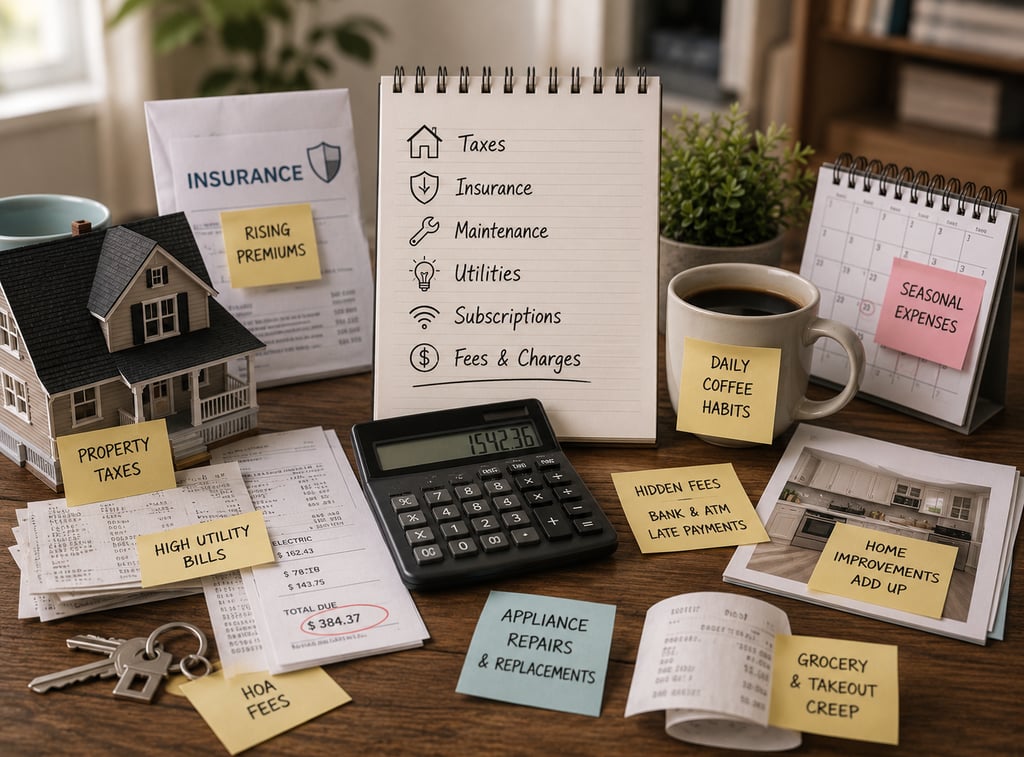
The average American household spends thousands each year on utilities, maintenance, and repairs, but some of the most frustrating expenses are the ones that quietly grow in the background until your budget feels tighter than it should. If your home seems to cost more every month and you can’t always explain why, these hidden expenses are worth a closer look because small inefficiencies have a habit of becoming expensive habits.
Energy Losses That Quietly Raise Your Monthly Bills
1. Air Leaks Around Windows and Doors
What it is: Small openings around windows and doors that let indoor air escape and outdoor air enter.
Why it matters: A home doesn’t need a giant crack in the wall to lose money. Tiny gaps around aging window frames or worn door seals can steadily push conditioned air outside while letting heat, humidity, or cold air creep in. That forces your HVAC system to work longer to maintain the same comfort level.
Run your hand around windows and doors on a windy day. If you feel movement, you likely have leakage. Replacing weatherstripping or sealing visible gaps is often one of the least expensive ways to reduce recurring energy waste.
2. Poor Attic Insulation
What it is: Inadequate insulation that allows heat transfer between your home and the outside.
Why it matters: Many homeowners focus on visible rooms and forget the attic entirely. But your attic plays a major role in energy performance. In hot weather, poorly insulated attics trap intense heat that radiates downward. In colder weather, heated indoor air escapes upward.
The result is the same: your heating and cooling system works harder than necessary. Insulation upgrades are not always cheap upfront, but the monthly savings and comfort improvements can make them worthwhile over time.
3. Phantom Energy Use
What it is: Electricity used by devices even when they appear turned off.
Why it matters: Your television may be “off,” but if it’s plugged in, it may still be consuming electricity. The same applies to chargers, gaming consoles, microwaves, printers, coffee machines, and smart home devices.
One device won’t wreck your budget. Twenty devices operating continuously can make a measurable difference over a year. Smart power strips help reduce this waste without forcing you to unplug everything manually.
4. Outdated Lighting
What it is: Older light bulbs that consume significantly more electricity than efficient alternatives.
Why it matters: Lighting may feel like a small household expense, but inefficient bulbs increase costs daily. Older incandescent bulbs convert much of their energy into heat instead of useful light.
Switching to LEDs can lower lighting costs while reducing replacement frequency. If your home still uses older bulbs in high-use areas like kitchens, living rooms, or exterior fixtures, this is an easy improvement.
5. Poor Thermostat Placement
What it is: A thermostat located where it misreads your home’s actual temperature.
Why it matters: A thermostat placed near direct sunlight, ovens, exterior doors, or drafty hallways may trigger heating or cooling at the wrong times.
That means your system responds to one inaccurate reading instead of the actual comfort needs of the home. Many homeowners blame the HVAC unit when the thermostat location is part of the problem.
Water Costs That Add Up Faster Than Most People Realize
6. Dripping Faucets
What it is: A faucet leak that seems too minor to justify immediate repair.
Why it matters: The danger of a dripping faucet is how easy it is to ignore. A slow drip doesn’t create urgency, so homeowners delay repairs for weeks or months.
Meanwhile, wasted water keeps adding up. In some cases, the repair is as simple as replacing a worn washer or cartridge. Delaying a small fix often costs more than solving it quickly.
7. Running Toilets
What it is: A toilet that continuously leaks water after flushing.
Why it matters: Running toilets are among the sneakiest water wasters because they often make little noise or become background noise people stop noticing.
A worn flapper valve or faulty internal component can waste a surprising amount of water every single day. If your water bill suddenly rises without explanation, this is one of the first things worth checking.
8. Hidden Plumbing Leaks
What it is: Slow leaks behind walls, beneath sinks, or under flooring.
Why it matters: Hidden leaks are expensive because they create two problems at once: wasted water and property damage.
A leak inside a wall may quietly raise your utility bill while encouraging mold, drywall damage, or warped flooring. Musty smells, unexplained damp spots, bubbling paint, or water stains deserve attention quickly.
9. Inefficient Water Heater Performance
What it is: A water heater operating less efficiently due to age, sediment buildup, or neglect.
Why it matters: Water heaters are easy to forget until there’s no hot water. But reduced efficiency can quietly cost you for years before outright failure.
Sediment buildup forces the system to work harder, especially in hard-water areas. Longer heating cycles mean more energy use and less reliable performance.
HVAC Problems That Quietly Drain More Money Than You Think
10. Dirty HVAC Filters
What it is: Air filters clogged with dust, pet hair, and airborne debris.
Why it matters: Dirty filters restrict airflow, forcing your HVAC system to work harder just to move air through the house.
This is one of the simplest maintenance tasks homeowners overlook because nothing dramatic happens right away. Instead, efficiency slowly declines, energy costs rise, and system wear increases. Replacing filters regularly is inexpensive compared with avoidable repair costs.
11. Blocked Supply or Return Vents
What it is: Air vents obstructed by furniture, rugs, curtains, or clutter.
Why it matters: When airflow is blocked, conditioned air cannot circulate properly. That can make rooms feel uncomfortable while causing your system to run longer.
It’s surprisingly common for homeowners to place sofas, beds, or storage bins over vents without realizing the performance impact. A simple room adjustment can sometimes improve comfort immediately.
12. Leaky or Aging Ductwork
What it is: Duct systems that lose conditioned air before it reaches the rooms you actually use.
Why it matters: If conditioned air escapes into attics, crawl spaces, or wall cavities, your heating and cooling system ends up working much harder than necessary. That often shows up as uneven room temperatures, longer system run times, and steadily rising utility bills.
When airflow problems persist despite changing filters or adjusting vents, some homeowners look into a professional HVAC system evaluation to better understand whether duct leakage or related repair issues are contributing to the problem.
13. Skipped HVAC Maintenance
What it is: Ignoring routine inspections, cleanings, or performance checks.
Why it matters: HVAC systems usually decline gradually rather than failing instantly. That makes performance loss easy to miss.
Reduced efficiency often shows up first as higher utility bills, inconsistent temperatures, or longer run times. Maintenance helps identify problems before they become expensive repairs or premature replacements.
14. Constant Thermostat Changes
What it is: Repeatedly adjusting temperature settings throughout the day.
Why it matters: Many homeowners react to temporary discomfort by constantly changing settings, assuming the system will respond faster or more effectively.
In reality, frequent manual adjustments can encourage inefficient cycling and inconsistent comfort. Stable settings usually produce better results while reducing unnecessary strain.
Appliances That Quietly Cost More Than Expected
15. Older Refrigerators
What it is: Aging refrigerators that consume more electricity than modern efficient units.
Why it matters: Refrigerators run continuously, which means inefficient performance affects your bill every day.
That old garage fridge may seem harmless, but older appliances often consume far more power than people realize. If the appliance struggles to maintain temperature or runs constantly, it may be costing more than it’s worth.
16. Dryer Vent Neglect
What it is: Restricted dryer airflow caused by lint buildup or poor vent maintenance.
Why it matters: A clogged dryer vent forces longer drying times, increasing energy use while creating a fire risk.
Many homeowners clean the lint trap but ignore the vent system itself. If clothes take multiple cycles to dry, airflow restriction may be the real issue.
17. Poor Dishwasher Habits
What it is: Running dishwashers inefficiently through small loads or wasteful settings.
Why it matters: Dishwashers can be efficient appliances when used correctly. But frequent half-loads or unnecessary heated drying settings increase both water and electricity usage.
Using full loads and practical settings makes a bigger difference over time than many homeowners expect.
18. Inefficient Appliance Placement
What it is: Placing appliances in locations that force them to work harder.
Why it matters: A refrigerator next to an oven or in direct sunlight has to fight surrounding heat. A freezer in a poorly ventilated hot garage may operate less efficiently.
Placement affects performance more than most people think. Sometimes the problem is not the appliance itself.
Everyday Habits That Quietly Drain Your Budget
19. Ignoring Small Repairs
What it is: Delaying minor fixes because they don’t seem urgent.
Why it matters: Homeownership has a way of punishing delays. Small issues rarely stay small forever.
Loose caulking becomes water damage. Minor drafts become persistent energy waste. A strange appliance noise becomes a bigger repair. Fast action often costs less than patient neglect.
20. Overheating or Overcooling the House
What it is: Setting temperatures for ideal comfort without considering efficiency.
Why it matters: Everyone wants a comfortable home, but extreme thermostat habits quickly increase utility costs.
A modest adjustment of even a few degrees can reduce monthly expenses without making your house uncomfortable. Comfort and efficiency do not have to be opposites.
21. Paying for Household Services You Rarely Use
What it is: Recurring subscriptions, warranties, or service plans that offer limited actual value.
Why it matters: Automatic monthly charges disappear into the background because they’re easy to ignore.
Security add-ons, duplicate warranties, maintenance subscriptions, appliance plans, and convenience services can quietly drain hundreds each year. Reviewing recurring household expenses once or twice annually often reveals easy savings.
Quick Wins Checklist: Hidden Costs You Can Check This Week
Use this list as a simple household review:
Check windows and doors for noticeable drafts
Replace overdue HVAC filters
Inspect toilets for silent leaks
Look under sinks for moisture
Review thermostat habits
Make sure vents are unobstructed
Unplug unused electronics
Check appliance age
Inspect dryer vent airflow
Review recurring household subscriptions
Walk through the home for unfinished minor repairs
You do not need to tackle everything at once. Even fixing three or four of these issues can create measurable savings.
Decision Framework: Fix, Monitor, or Replace?
When you spot a hidden household cost, use this quick framework:
FIX IT NOW if:
It wastes water, increases energy use daily, creates safety concerns, or causes property damage.
MONITOR IT if:
Performance is stable, costs are minor, and there’s no immediate escalation risk.
REPLACE IT if:
Repair costs are frequent, efficiency is poor, or the item is significantly outdated.
This prevents emotional spending while helping you make practical decisions.
Frequently Asked Questions
How do I know which hidden home costs are affecting my budget most?
Start with your utility bills. Compare the last six to twelve months and look for unusual increases. Then walk through your home looking for obvious inefficiencies like drafts, leaks, aging appliances, or HVAC airflow issues.
Are expensive upgrades always necessary to reduce home costs?
No. Some of the most effective savings come from inexpensive fixes like sealing air leaks, replacing filters, adjusting thermostat habits, and addressing plumbing leaks. Large upgrades only make sense when smaller fixes are no longer enough.
How often should homeowners review hidden household costs?
A quick review every few months is practical. Seasonal transitions are especially useful because heating, cooling, and appliance demands often change.
Is it better to repair or replace older appliances?
It depends on age, efficiency, and repair history. A well-functioning appliance may still be worth keeping. But older units with frequent issues or high energy consumption can become long-term budget drains.
Good info, in one place—so you can move forward.
Contact
Questions? Reach out anytime.
Phone
hello@21goodinfo.com
© 2025. All rights reserved.