
21 Everyday Habits That Slowly Damage Your Feet (And How You Fix Them Before It Gets Worse)
Learn the 21 everyday habits that quietly damage your feet and lead to long-term pain. Discover what to fix now before small issues turn into serious problems.
4/18/20265 min read
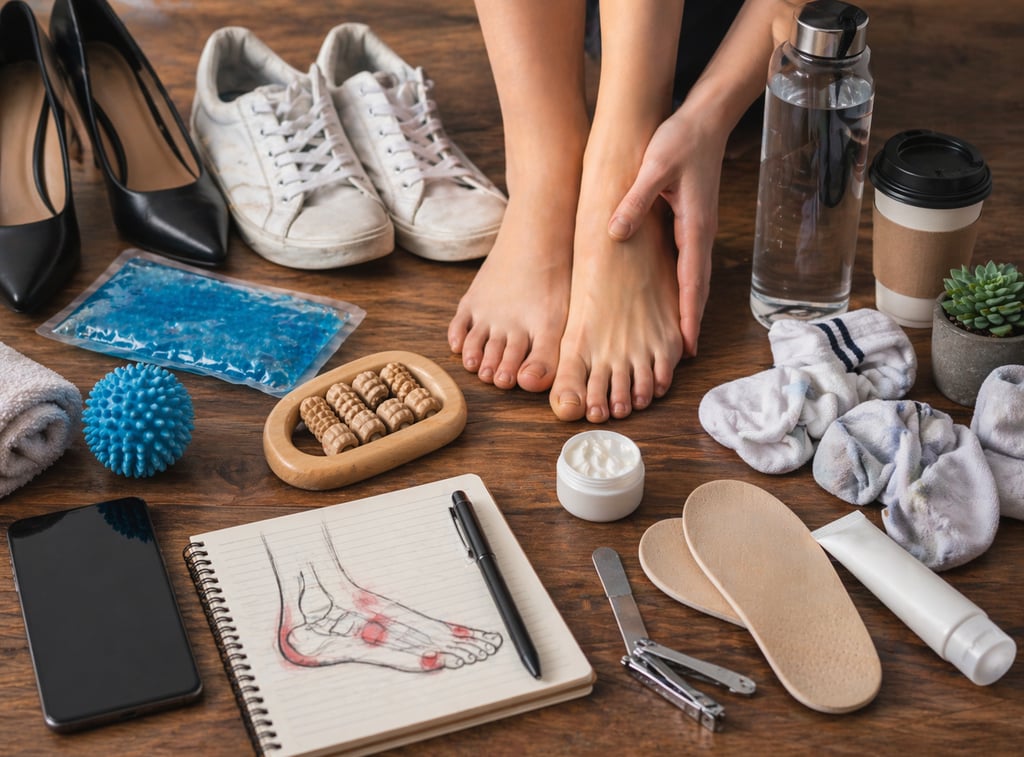
Foot-related problems are one of the top reasons for chronic pain, missed workdays, and reduced mobility—and most of them don’t start with injury, they start with everyday habits.
You don’t need a major condition for your feet to get worse. Small, repeated choices add up over time. Here’s what you’re likely doing that’s quietly causing damage—and what to do about it before it turns into something harder to fix.
Daily Habits That Wear Your Feet Down
1. Wearing the Same Pair of Shoes Every Day
What it is: Using one pair of shoes daily without giving them time to recover.
Why it matters: Shoes absorb moisture and compress with use. When you wear the same pair every day, the cushioning doesn’t rebound, and internal moisture doesn’t fully dry. Over time, this reduces shock absorption and increases strain on your feet. Rotate at least two pairs to extend shoe life and maintain support.
2. Walking Around Barefoot on Hard Floors
What it is: Spending long periods barefoot on tile, hardwood, or concrete.
Why it matters: Hard surfaces don’t absorb impact, so your feet take the full force with every step. This can strain your heels, arches, and ankles—especially if you’re standing for long periods. Wearing supportive indoor footwear helps reduce repetitive stress.
3. Ignoring Mild Foot Pain
What it is: Treating small aches as normal and waiting for them to go away.
Why it matters: Mild pain is often the first sign of overuse or imbalance. When ignored, it can develop into more serious conditions that take longer to treat. If discomfort lasts more than a few days or keeps returning, it’s worth addressing early.
4. Wearing Worn-Out Shoes
What it is: Continuing to use shoes after they’ve lost their structure.
Why it matters: Even if shoes look fine, their internal support breaks down over time. This reduces stability and increases impact stress. Replacing shoes at the right time prevents gradual strain that builds into pain.
Habits That Affect How You Walk
5. Taking Short, Shuffling Steps
What it is: Walking without fully engaging your foot from heel to toe.
Why it matters: This limits natural movement and weakens foot muscles over time. A proper stride allows your foot to absorb and distribute impact more effectively. Focus on a smooth heel-to-toe motion.
6. Leaning Forward When You Walk
What it is: Placing more weight toward the front of your foot while walking.
Why it matters: This increases pressure on the ball of your foot and toes. Over time, it can lead to discomfort and imbalance. Keeping your posture upright helps distribute weight evenly.
7. Standing in One Position Too Long
What it is: Staying in a fixed standing posture without movement.
Why it matters: Static pressure reduces circulation and overloads certain areas of your feet. Shifting your weight or walking briefly every hour helps relieve stress and improve blood flow.
8. Wearing Unsupportive Flats
What it is: Using flat shoes with minimal structure or arch support.
Why it matters: Without support, your foot muscles work harder to stabilize each step. This leads to fatigue and strain. Choosing better-designed footwear or adding inserts can reduce long-term impact.
Hygiene Habits That Lead to Bigger Problems
9. Not Drying Your Feet Properly
What it is: Leaving moisture between toes after bathing.
Why it matters: Damp environments allow bacteria and fungi to grow. Over time, this can lead to infections that are harder to treat. Drying thoroughly—especially between toes—helps prevent this.
10. Wearing Damp Socks
What it is: Keeping socks on after they’ve absorbed sweat.
Why it matters: Moisture softens the skin, making it more vulnerable to irritation and infection. Changing socks when they become damp helps maintain skin health.
11. Cutting Toenails Too Short
What it is: Trimming nails below their natural edge or rounding corners too much.
Why it matters: This can lead to ingrown nails and irritation. Cutting straight across and leaving a slight edge reduces the risk.
12. Ignoring Changes in Nails
What it is: Overlooking discoloration, thickening, or brittleness.
Why it matters: Nail changes can signal underlying issues. If they persist, getting a proper evaluation from a podiatrist—like the type of care outlined on sites such as The Foot Clinic can help prevent more serious complications.
Habits That Seem Minor but Add Up
13. Wearing Tight Shoes Occasionally
What it is: Using shoes that don’t fit properly for short periods.
Why it matters: Even occasional pressure can affect alignment and cause irritation. Over time, repeated stress leads to structural changes.
14. Skipping Stretching
What it is: Not stretching your calves, ankles, and feet.
Why it matters: Tight muscles affect how your feet function. Regular stretching improves flexibility and reduces strain.
15. Carrying Heavy Loads Daily
What it is: Adding extra weight through bags or equipment.
Why it matters: Increased load changes how your feet absorb impact. Balancing weight and reducing load when possible helps minimize strain.
16. Overusing Flip-Flops
What it is: Wearing minimal footwear for extended periods.
Why it matters: Flip-flops provide little support and require your toes to grip constantly. This can lead to fatigue and discomfort. Limiting use helps protect foot structure.
Long-Term Habits That Lead to Chronic Issues
17. Ignoring Changes in Foot Shape
What it is: Not noticing gradual changes in width, arch, or alignment.
Why it matters: Your feet change over time. Wearing outdated sizes or styles increases strain. Reassessing fit regularly helps maintain support.
18. Delaying Shoe Replacement
What it is: Waiting too long to replace everyday footwear.
Why it matters: Old shoes lose their ability to support and cushion. Timely replacement prevents cumulative damage.
19. Repeating the Same Physical Activity Daily
What it is: Doing the same movement patterns without variation.
Why it matters: Repetitive stress affects the same areas. Mixing activities distributes impact more evenly.
20. Ignoring Swelling
What it is: Dismissing occasional swelling as normal.
Why it matters: Swelling can signal pressure or circulation issues. Monitoring patterns helps catch problems early.
21. Waiting for Problems to Fix Themselves
What it is: Assuming discomfort will go away without action.
Why it matters: Most issues don’t resolve without change. Addressing them early is simpler and less costly.
Quick Wins You Can Start Today
Rotate your shoes instead of wearing one pair daily
Replace worn-out footwear before problems start
Stretch your feet and calves regularly
Keep feet clean and dry
Pay attention to small signs of discomfort early
Frequently Asked Questions
Are foot problems usually caused by injuries?
No. Most develop gradually due to repeated habits and daily stress rather than sudden injuries.
How often should you replace shoes?
It depends on usage, but most everyday shoes should be replaced every 300–500 miles or when support breaks down.
When should you seek professional help?
If pain persists, worsens, or affects movement, early evaluation helps prevent more serious issues.
Can small habits really cause long-term damage?
Yes. Repeated stress from everyday habits is one of the most common causes of foot problems.
Final Thought
Most foot problems don’t come from one big mistake. They come from small habits repeated over time.
Fixing those habits early is one of the simplest ways to avoid long-term discomfort and more expensive treatment later.
Good info, in one place—so you can move forward.
Contact
Questions? Reach out anytime.
Phone
hello@21goodinfo.com
© 2025. All rights reserved.