
21 Everyday Habits That Can Put More Stress on Your Back Than You Realize
Discover 21 everyday habits that can put more stress on your back than you realize and learn practical ways to improve posture, reduce strain, support spinal health, and prevent recurring discomfort. Explore simple daily changes that can help you move more comfortably and protect your back for the long term.
6/12/202612 min read
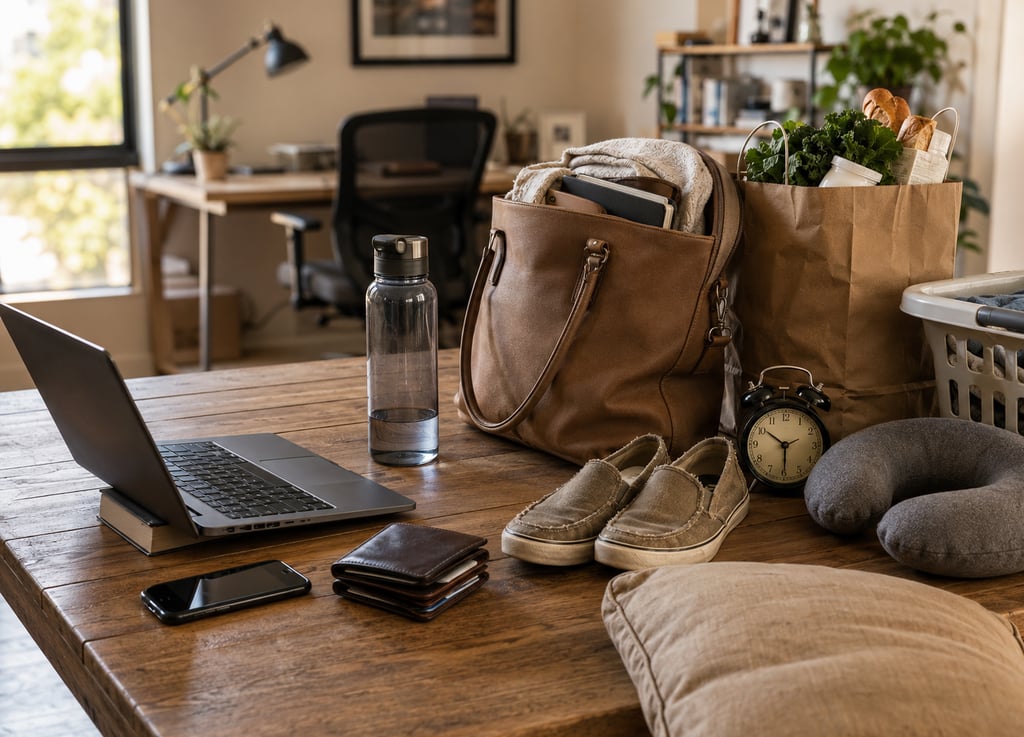

According to the World Health Organization (WHO), low back pain is the leading cause of disability worldwide, affecting hundreds of millions of people and contributing to reduced mobility, missed work, and lower quality of life. While accidents and medical conditions can certainly lead to back pain, many people unknowingly place extra stress on their spine through ordinary habits repeated every single day. The encouraging news is that small adjustments can make a meaningful difference. This guide explores 21 everyday habits that may be working against your back, along with practical ways to protect your spine, improve your posture, and move more comfortably for years to come.
Everyday Posture Habits
Your spine supports nearly every movement you make. Whether you're standing in line at the grocery store, answering emails, or relaxing on the couch after work, your posture influences how muscles, joints, and ligaments share the workload. Good posture isn't about looking perfectly straight—it’s about reducing unnecessary strain while allowing your body to move efficiently.
1. Looking Down at Your Phone for Long Periods
What it is: Holding your head in a downward position while texting, reading, or scrolling through your phone.
Most people check their phones dozens of times each day without realizing how much time they spend looking down. The farther your head tilts forward, the harder the muscles in your neck and upper back must work to support it. Hours of repeated forward head posture can leave your neck feeling stiff and your shoulders tight by the end of the day.
A simple adjustment can make a noticeable difference. Instead of lowering your head, raise your phone closer to eye level whenever possible. Alternate between sitting and standing if you're using your phone for extended periods, and give your neck regular breaks by looking up and gently moving it through its normal range of motion.
2. Slouching While Sitting
What it is: Allowing your shoulders to round forward and your lower back to lose its natural curve while sitting.
Slouching usually develops gradually. You start with good posture in the morning, but after several hours at a desk or on the couch, your shoulders creep forward and your back settles into a rounded position.
Over time, this habit asks your muscles to support your body from less efficient positions. Instead of forcing yourself to sit perfectly all day, aim for movement. Sit upright when you remember, adjust your position frequently, and use a chair that supports the natural curve of your lower back. Good posture isn't about staying perfectly still—it's about avoiding one position for too long.
3. Sitting for Hours Without Standing Up
What it is: Remaining seated for prolonged periods without changing position or moving around.
Even perfect posture can't completely offset the effects of prolonged sitting. Your muscles thrive on movement, and remaining still for hours at a time allows stiffness to build gradually throughout your hips, lower back, and shoulders.
One of the easiest habits to develop is scheduling movement into your day. Stand during phone calls, refill your water bottle more often, or walk around the room between meetings. These small interruptions don't reduce productivity—in many cases, they improve focus while giving your back a chance to reset.
4. Crossing Your Legs the Same Way Every Time
What it is: Habitually crossing one leg over the other whenever you sit.
Crossing your legs occasionally isn't automatically harmful. The problem arises when you consistently favor the same side throughout the day. Repeating the same position can contribute to muscle imbalances and encourage your pelvis to sit unevenly over time.
Try alternating which leg crosses over the other or keeping both feet flat on the floor for portions of the day. Variety allows different muscles to share the workload instead of repeatedly stressing the same areas.
5. Carrying Heavy Bags on One Shoulder
What it is: Frequently carrying purses, backpacks, briefcases, or laptop bags on only one side of your body.
Your body naturally shifts to compensate for uneven weight. While carrying a bag on one shoulder may seem harmless during a short walk, doing so every day encourages one side of your back and shoulders to work harder than the other.
Lighten your bag whenever possible. If you're carrying a backpack, use both straps rather than one. If you're using a shoulder bag, switch sides regularly throughout the day so the same muscles aren't constantly handling the extra load.
Work and Technology Habits
Modern life often revolves around computers, smartphones, and long hours indoors. Technology isn't the enemy—poor ergonomics and limited movement are. A few thoughtful changes to your workspace can significantly reduce the stress your body experiences throughout the workday.
6. Working at a Poorly Designed Desk
What it is: Using a workstation where your chair, keyboard, monitor, or desk height forces awkward body positions.
A workstation that doesn't fit your body encourages unnecessary reaching, leaning, twisting, and slouching. These small adjustments seem insignificant at first, but they add up after hundreds of hours spent working each year.
Ideally, your elbows should rest comfortably near your sides, your monitor should be close to eye level, and your feet should remain supported on the floor. If changing furniture isn't possible, simple additions such as monitor stands, footrests, or lumbar cushions can make your workspace considerably more comfortable.
7. Working From the Couch Every Day
What it is: Turning your sofa into a full-time office instead of using a supportive workstation.
Working from the couch occasionally is perfectly understandable. The challenge comes when soft cushions encourage you to sink into positions that your spine wasn't designed to maintain for hours.
If you work remotely, consider creating a dedicated workspace, even if it's small. A supportive chair, stable desk, and proper screen height help your body maintain more comfortable positions while reducing unnecessary fatigue throughout the day.
8. Ignoring Movement Breaks
What it is: Becoming so focused on work that you forget to move for hours.
Concentration can make time disappear. Before you know it, several hours have passed without standing, stretching, or changing position.
Movement breaks don't need to be complicated. Walk around the room, stretch your shoulders, rotate your neck gently, or climb a flight of stairs. Even one or two minutes of movement every hour encourages circulation and helps reduce the stiffness that prolonged sitting often creates.
9. Keeping Your Monitor Too Low
What it is: Positioning your computer screen below eye level so you constantly look downward.
Many laptop users unknowingly spend their workday with their head tilted forward. Over time, this places additional demand on the muscles supporting your neck and upper back.
Whenever possible, raise your monitor so the top portion of the screen sits close to eye level. Laptop users can pair a stand with an external keyboard and mouse to create a more ergonomic setup without purchasing an entirely new workstation.
Everyday Activities That Quietly Add Up
Many people expect back pain to result from dramatic injuries. In reality, it's often the accumulation of hundreds of ordinary movements repeated every week that gradually increases stress on the body.
10. Lifting With Your Back Instead of Your Legs
What it is: Bending at the waist instead of using your hips and knees when lifting objects.
Whether you're unloading groceries, moving boxes, gardening, or picking up a child, lifting mechanics matter. Repeatedly bending forward places additional demand on the muscles and structures supporting your lower back.
Whenever possible, move close to the object, bend through your knees and hips, keep the load close to your body, and avoid sudden jerking movements. Even lighter objects deserve proper lifting technique because repetition matters just as much as weight.
11. Twisting While Carrying Something Heavy
What it is: Rotating your torso while supporting the weight of groceries, laundry baskets, furniture, or other objects.
Your spine is designed to rotate, but combining rotation with heavy lifting places additional stress on supporting muscles and joints.
Instead of twisting through your back, turn your entire body by moving your feet. This simple habit distributes movement more evenly throughout your hips and legs while reducing unnecessary strain on your spine.
12. Wearing Shoes That Don't Support Your Feet
What it is: Frequently choosing footwear that provides little stability, cushioning, or arch support.
Everything starts from the ground up. Poorly fitting or unsupportive shoes can change how you stand and walk, influencing your ankles, knees, hips, and eventually your lower back.
You don't need specialty shoes for every occasion, but your everyday footwear should support comfortable movement. If you spend long hours standing or walking, replacing worn-out shoes before they completely lose their support can benefit your entire body.
13. Sleeping in Positions That Don't Support Recovery
What it is: Spending several hours each night in sleeping positions that leave your spine unsupported.
Sleep should be your body's opportunity to recover from the demands of the day. An unsupportive mattress, worn pillow, or awkward sleeping posture can leave you waking up stiff rather than refreshed.
There's no single sleeping position that's perfect for everyone. Side sleepers often benefit from placing a pillow between their knees, while back sleepers may find greater comfort by placing a pillow beneath their knees. The goal is keeping your spine as neutral and comfortable as possible throughout the night.
Exercise and Recovery Habits
Staying active is one of the best ways to support a healthy back, but activity alone isn't enough. How you prepare for movement, recover afterward, and respond to discomfort all influence how well your spine handles everyday demands. Building strength and flexibility together creates a more resilient body that can better tolerate work, exercise, and daily life.
14. Skipping Your Warm-Up Before Exercise
What it is: Starting a workout or physical activity without gradually preparing your muscles and joints.
When you're short on time, it's tempting to jump straight into your workout. Unfortunately, your muscles and connective tissues often need a few minutes to transition from rest to more demanding movement. Beginning too quickly can make movements feel stiffer and place unnecessary stress on your back.
A good warm-up doesn't have to be complicated. Spend five to ten minutes walking, cycling at an easy pace, or performing dynamic movements such as arm circles, hip rotations, or gentle bodyweight squats. Your body will generally move more comfortably once blood flow increases and your joints begin moving through their normal range of motion.
15. Forgetting to Strengthen Your Core
What it is: Neglecting the muscles that help stabilize your spine during everyday movement.
Your core isn't limited to the muscles you see in the mirror. It includes deep abdominal muscles, muscles surrounding your spine, your diaphragm, and muscles in your hips and pelvis. Together, they act as a natural support system whenever you bend, reach, carry groceries, or climb stairs.
Improving core strength doesn't require advanced gym routines. Simple exercises such as bridges, bird dogs, side planks, and dead bugs help develop stability while placing relatively little stress on your back. Consistency matters much more than intensity.
16. Ignoring Flexibility and Mobility
What it is: Allowing muscles and joints to gradually lose their ability to move comfortably through a healthy range of motion.
Tight muscles don't just affect the area where you feel stiffness. Limited mobility in your hips or hamstrings, for example, often changes how your lower back moves during everyday tasks like bending over or getting into a car.
Stretching doesn't need to become an hour-long routine. Even five to ten minutes several times a week can improve flexibility over time. Focus on major muscle groups such as your hips, hamstrings, calves, chest, and shoulders to encourage balanced movement throughout your body.
17. Pushing Through Pain Instead of Listening to Your Body
What it is: Continuing activities that consistently cause pain without identifying the underlying cause.
Many people wear "pushing through pain" as a badge of honor. While temporary muscle soreness after exercise is common, persistent, sharp, or worsening pain deserves attention rather than determination alone.
If discomfort repeatedly returns despite improving your habits, it may be time to seek professional guidance. Speaking with a qualified Chiropractor Athens AL or another licensed healthcare provider can help you better understand what's contributing to your symptoms and whether changes to your movement patterns, exercise routine, or treatment plan are appropriate. Addressing concerns early often makes it easier to stay active than waiting until pain significantly limits your daily routine.
Long-Term Habits That Protect Your Back
Your back health isn't determined by one workout or one bad day. It's shaped by the habits you repeat week after week and year after year. These final four habits focus on thinking beyond today's discomfort and building routines that support long-term spinal health.
18. Ignoring Small Aches Until They Become Bigger Problems
What it is: Dismissing recurring discomfort because it eventually goes away on its own.
Many people tell themselves they'll deal with their back pain "when it gets worse." The challenge is that recurring discomfort often serves as an early warning that something in your daily routine deserves attention.
Rather than ignoring these signals, start paying attention to patterns. Does your back hurt after long meetings? Is it worse after yard work? Do certain sleeping positions leave you stiff each morning? Identifying these trends helps you make practical adjustments before minor discomfort grows into a larger problem.
19. Letting Stress Build Up in Your Body
What it is: Carrying physical tension caused by ongoing emotional or mental stress.
Stress affects more than your mood. Many people unconsciously tighten their shoulders, clench their jaw, or tense the muscles in their neck and back throughout the day. Over weeks or months, this constant muscle tension can contribute to stiffness and discomfort.
Managing stress doesn't require dramatic lifestyle changes. Short walks, breathing exercises, stretching, meditation, spending time outdoors, or simply taking regular breaks from work can help reduce the physical effects of stress while benefiting your overall well-being.
20. Waiting Too Long to Ask Questions
What it is: Delaying professional advice because you assume discomfort will eventually disappear.
Many episodes of mild soreness improve with rest, movement, or changes in activity. However, pain that repeatedly interferes with your work, sleep, hobbies, or daily routine deserves a closer look.
Seeking professional guidance doesn't automatically mean extensive treatment is necessary. Sometimes a careful evaluation, education about body mechanics, and a few targeted recommendations are enough to help you understand the source of your discomfort and reduce the likelihood of future problems.
21. Assuming Back Pain Is Just Part of Getting Older
What it is: Believing ongoing discomfort is inevitable simply because you're aging.
While the body naturally changes over time, persistent back pain shouldn't automatically be accepted as normal. Many lifestyle factors—including posture, strength, flexibility, sleep habits, workplace setup, and movement patterns—have a meaningful influence on how your back feels.
Healthy aging isn't about avoiding activity. It's about moving well, staying active, and making choices that support your body throughout every stage of life. Small improvements made consistently often provide greater long-term benefits than dramatic changes that are difficult to maintain.
Daily Back Health Checklist
Use this checklist to evaluate your current habits and identify small improvements you can begin making today.
Throughout Your Workday
☐ I stand up and move at least once every hour.
☐ My monitor is positioned close to eye level.
☐ My chair supports my lower back.
☐ I avoid looking down at my phone for extended periods.
☐ I change sitting positions regularly.
During Everyday Activities
☐ I lift with my legs instead of my back.
☐ I avoid twisting while carrying heavy objects.
☐ I wear supportive shoes for daily activities.
☐ I stretch after long periods of sitting.
☐ I pay attention to recurring discomfort instead of ignoring it.
Supporting Long-Term Back Health
☐ I include strength and flexibility exercises in my weekly routine.
☐ I manage stress in healthy ways.
☐ I sleep in a position that supports my spine.
☐ I seek professional advice if pain persists or limits daily activities.
The goal isn't perfection. Checking even a few more boxes than you do today can gradually reduce unnecessary stress on your back over time.
<hr>
A Five-Minute Daily Routine for a Healthier Back
If you're not sure where to begin, start with this simple routine:
One minute: Walk around your home or office to loosen up after sitting.
One minute: Roll your shoulders backward and gently stretch your chest.
One minute: Perform several gentle hip and hamstring stretches.
One minute: Complete a few core-stability exercises such as bird dogs or bridges.
One minute: Finish with slow, deep breathing while standing tall and checking your posture.
Five minutes won't solve every problem, but building this habit consistently is often more beneficial than waiting for the "perfect" time to exercise.
Frequently Asked Questions
Can everyday habits really contribute to chronic back pain?
Yes. Repetitive habits such as prolonged sitting, poor posture, improper lifting, and limited movement can gradually increase stress on your muscles and joints. Improving these habits often supports better comfort and mobility over time.
How often should I get up if I work at a computer all day?
Aim to stand or move every 30 to 60 minutes. Even a brief walk to refill your water bottle or a minute of stretching can help reduce stiffness and encourage healthier movement throughout the day.
Should I stop exercising if my back hurts?
Not necessarily. Gentle movement often helps many people stay mobile, but severe, worsening, or persistent pain should be evaluated by a licensed healthcare professional before continuing strenuous activity. Listening to your body is generally more productive than ignoring ongoing discomfort.
When is it time to seek professional care?
If your back pain lasts several weeks, keeps returning, interferes with sleep or daily activities, or is accompanied by symptoms such as numbness, weakness, or pain radiating into your arms or legs, it's a good idea to seek a professional evaluation rather than continuing to rely solely on self-care.
Quick Wins Summary
If you only remember a few ideas from this guide, start with these practical habits:
Raise your phone instead of lowering your head.
Stand up and move every hour.
Improve your workstation ergonomics.
Lift with your legs and avoid twisting under load.
Strengthen your core with simple, consistent exercises.
Stretch regularly to maintain flexibility.
Wear supportive shoes for everyday activities.
Make quality sleep part of your back health routine.
Pay attention to recurring discomfort early.
Ask for professional guidance if pain continues affecting your daily life.
Small adjustments practiced consistently often produce better long-term results than dramatic changes that are difficult to maintain.
Final Thoughts
Your back quietly supports almost everything you do.
It helps you get out of bed, carry groceries, play with your children, work at a computer, enjoy your favorite hobbies, and simply move through everyday life. Because those movements feel routine, it's easy to overlook the habits that gradually place extra stress on your spine.
Fortunately, many of those habits are within your control.
Improving your posture, creating a more supportive workspace, moving more often, lifting correctly, strengthening your core, and paying attention to recurring discomfort are all practical steps that can help protect your back over time. You don't have to change everything at once. Focus on one or two habits, practice them consistently, and build from there.
Your spine supports you every day. Taking better care of it today can help you stay active, comfortable, and confident for years to come.
Good info, in one place—so you can move forward.
Contact
Questions? Reach out anytime.
Phone
hello@21goodinfo.com
© 2025. All rights reserved.