
21 Everyday Expenses You’re Overpaying For (And How to Cut Them Fast)
Discover 21 everyday expenses you may be overpaying for and learn simple, practical ways to cut costs fast. Save money on groceries, bills, subscriptions, and more without changing your lifestyle.
2/9/20265 min read
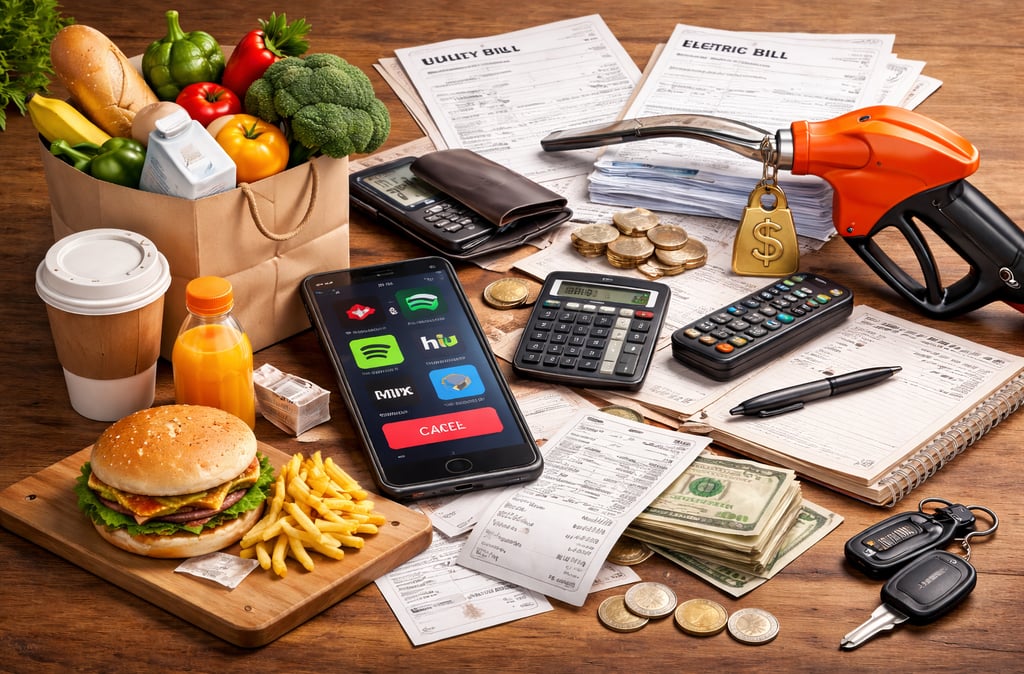

Most households overspend by $1,000 to $3,000 every year on everyday expenses they rarely question.
These aren’t big, obvious purchases—they’re small, repeated costs that quietly drain your money over time.
Here are 21 everyday expenses you’re likely overpaying for—and exactly how to cut them fast without lowering your quality of life.
Food & Grocery Spending
1. Branded Groceries
What it is: Paying extra for name-brand items when store-brand versions offer the same quality.
How to cut it:
Start comparing labels instead of logos. Many store brands are made by the same manufacturers as premium products. Focus on staple items like rice, pasta, canned goods, and cleaning supplies. Over time, switching even half your items can significantly reduce your monthly grocery bill without sacrificing quality.
2. Shopping Without a List
What it is: Going to the store without a plan, leading to impulse purchases.
How to cut it:
Before heading out, take five minutes to write a simple list based on meals you actually plan to cook. Stick to that list. If something isn’t written down, don’t buy it. This small habit alone can reduce unnecessary spending by 10–20% per trip.
3. Food Delivery Fees
What it is: Extra costs from delivery apps, including service charges, delivery fees, and hidden markups.
How to cut it:
Compare menu prices between apps and the restaurant directly. Whenever possible, order directly or opt for pickup. If you still prefer delivery, group orders with family members to reduce per-order fees.
4. Wasted Groceries
What it is: Buying food that expires before you use it.
How to cut it:
Plan meals for the week and organize your fridge so older items are visible first. A simple system like “first in, first out” helps prevent waste. Even reducing food waste by a small percentage can translate into noticeable monthly savings.
Utilities & Home Costs
5. Electricity Waste
What it is: Higher bills caused by leaving appliances, lights, and devices running unnecessarily.
How to cut it:
Turn off lights when leaving a room and unplug devices not in use. Consider using energy-efficient bulbs and power strips. Small daily habits—like switching things off consistently—add up over time and lower your monthly bill.
6. Water Overuse
What it is: Increased water bills due to long usage times or unnoticed leaks.
How to cut it:
Check for leaks regularly, especially in faucets and toilets. Shorten showers slightly and avoid letting water run unnecessarily. These simple adjustments can reduce water usage without affecting your routine.
7. Internet Plans You Don’t Need
What it is: Paying for higher-speed plans that exceed your actual usage.
How to cut it:
Review your usage habits. If you’re not gaming heavily or streaming in ultra-high resolution, you may not need premium speeds. Call your provider and ask for a lower-tier plan that still meets your needs.
Transportation Costs
8. Premium Fuel
What it is: Using higher-octane gasoline when your car doesn’t require it.
How to cut it:
Check your vehicle’s manual. Most cars are designed for regular fuel. Using premium unnecessarily doesn’t improve performance but increases your fuel expenses.
9. Frequent Ride-Hailing
What it is: Regular reliance on ride-hailing apps instead of more affordable options.
How to cut it:
Use ride-hailing only when necessary. For routine trips, consider public transportation, carpooling, or combining errands into one trip to reduce costs.
10. Poor Route Planning
What it is: Spending more on fuel due to inefficient or multiple trips.
How to cut it:
Plan your routes in advance. Combine errands into a single trip and avoid peak traffic when possible. Efficient planning saves both time and fuel.
Subscriptions & Digital Services
11. Duplicate Streaming Services
What it is: Paying for multiple platforms that offer similar content.
How to cut it:
Instead of keeping all subscriptions active, rotate them monthly. Watch what you want, then cancel and switch. This keeps your access fresh while reducing total costs.
12. Unused Gym Memberships
What it is: Paying for a membership you rarely use.
How to cut it:
Track your attendance for a month. If you’re not going consistently, consider canceling or switching to a pay-per-visit option. Only pay for what you actually use.
13. Cloud Storage Upgrades
What it is: Paying for additional storage you may not fully utilize.
How to cut it:
Review your files and delete duplicates or unnecessary items. Many users can downgrade to a lower plan or even return to a free tier after cleaning up.
Shopping Habits
14. Buying Without Price Comparison
What it is: Purchasing items without checking if better prices exist elsewhere.
How to cut it:
Take a moment to compare prices online before buying. Even a quick search can reveal cheaper options or ongoing promotions.
15. Fast Fashion Purchases
What it is: Buying low-cost clothing that wears out quickly.
How to cut it:
Focus on fewer, higher-quality pieces that last longer. While the upfront cost may be higher, you’ll spend less over time by avoiding frequent replacements.
16. Extended Warranties
What it is: Paying extra for protection that often overlaps with existing coverage.
How to cut it:
Check manufacturer warranties and credit card benefits first. In many cases, additional warranties provide little extra value.
Daily Habits
17. Daily Coffee Runs
What it is: Frequent spending on café drinks.
How to cut it:
Prepare coffee at home and reserve café visits for occasional treats. This small shift can save a significant amount over time.
18. Bottled Water
What it is: Regular purchases of bottled drinks instead of reusable options.
How to cut it:
Use a reusable bottle and install a simple water filter if needed. This reduces both cost and waste.
19. Convenience Store Markups
What it is: Higher prices for items purchased out of convenience.
How to cut it:
Buy essentials in bulk from supermarkets and keep supplies at home to avoid last-minute purchases.
Financial Behavior
20. Late Payment Fees
What it is: Charges incurred from missing bill due dates.
How to cut it:
Set up automatic payments or reminders. Staying consistent with due dates prevents unnecessary penalties.
21. Not Asking for Discounts
What it is: Paying full price when discounts or promotions are available.
How to cut it:
Ask about available discounts, bundles, or loyalty programs. Many providers offer savings that aren’t automatically applied.
Practical Tool: Quick Savings Checklist
☐ Review all subscriptions this week
☐ Plan meals before grocery shopping
☐ Compare internet and utility plans
☐ Set auto-pay or payment reminders
☐ Track spending for three days
Final Thoughts
Most people focus on cutting big expenses, but it’s often the small, repeated costs that quietly do the most damage over time. These everyday expenses don’t feel significant in the moment, which is exactly why they’re easy to ignore. But when you step back and look at the bigger picture, they can add up to hundreds or even thousands of dollars each year.
The good news is you don’t need a complete lifestyle change to fix this. You don’t have to give up things you enjoy or drastically cut back. Instead, the goal is to become more intentional—pay attention to where your money is going and make small, practical adjustments where it makes sense.
Start with just a few areas. Cancel one unused subscription. Switch one habit. Review one bill. These small actions are easy to manage, and they build momentum quickly. Once you see results, it becomes easier to apply the same thinking across other parts of your spending.
Over time, these changes compound. What feels like a small improvement today can turn into meaningful savings over months and years. More importantly, you gain better control over your finances without feeling restricted.
Good info, in one place—so you can move forward.
FAQ
How quickly can I start saving money from these changes?
Many of these adjustments, like canceling subscriptions or switching plans, can reduce your expenses immediately. Others, like changing habits, build savings over time.
Do small expenses really make a difference?
Yes. Small, repeated expenses often add up more than large one-time purchases. That’s why focusing on daily habits is effective.
What’s the easiest place to start?
Start with recurring charges like subscriptions and bills. These are the fastest to identify and adjust.
Contact
Questions? Reach out anytime.
Phone
hello@21goodinfo.com
© 2025. All rights reserved.